
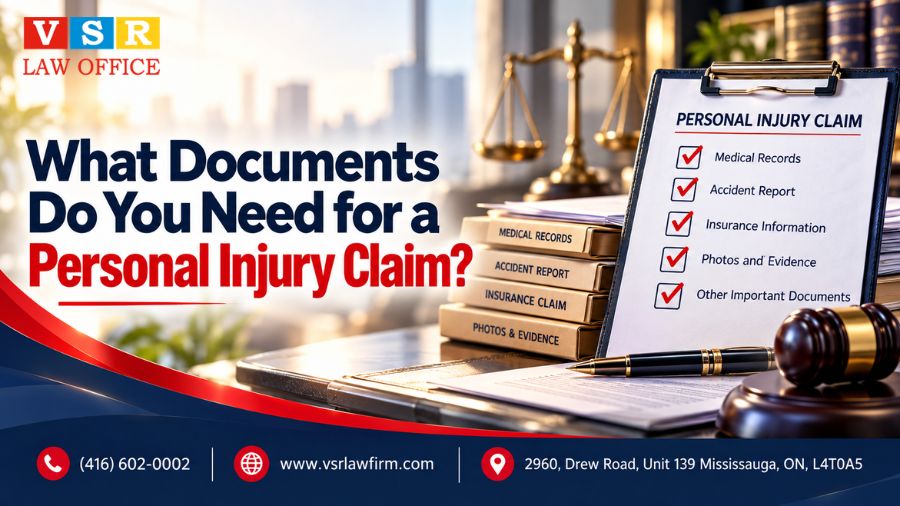
If you were injured in a car accident, slip and fall, or another incident, good records can make a major difference in your personal injury claim.
Documents help show what happened, how you were injured, what treatment you needed, and how the injury affected your work and daily life.
You do not need to have every document before speaking with a Personal Injury Lawyer. However, gathering as much information as possible can help your lawyer understand your case and protect your rights.
Also Read: How Long Can a Temporary Foreign Worker Stay in Canada?
Here is a simple personal injury claim checklist to help you get started.
@vsr_law Did your last lawyer “not get you enough money”? Sometimes, it’s not just about the lawyer — it’s about the evidence. If you’re not regularly visiting doctors, physiotherapists, or mental health professionals after an accident, your claim can fall apart. Insurance companies rely on medical records, not just your word. No documentation = no compensation. If you’ve been in a motor vehicle accident and need help with your claim, contact VSR Law at 416-602-0002. #VSRLaw #PersonalInjuryLawyer #CarAccidentClaim #InsuranceClaims #MedicalEvidenceMatters #PhysiotherapyRecords #OntarioLawyer #BramptonLegalHelp #KnowYourRights #MotorVehicleAccident #LegalAdviceCanada #GetWhatYouDeserve ♬ Little Things – Adrián Berenguer
1. Accident or Incident Reports
Try to obtain any official report connected to the accident.
This may include:
- Police accident report
- Motor vehicle collision report
- Workplace incident report
- Property owner or store incident report
- Witness statements
- Collision Reporting Centre report
These records can help confirm when, where, and how the accident happened.
2. Photos and Videos
Photos and videos can be very important evidence.
Keep copies of:
- Photos of the accident scene
- Vehicle damage
- Road or weather conditions
- The area where you slipped or fell
- Your visible injuries
- Damaged clothing or personal property
- Videos from the scene
If your injuries change over time, take photos during different stages of your recovery.
Also Read: Notary Public vs. Lawyer: Which is Right for Your Legal Needs?
3. Medical Records
Medical documents can help connect your injuries to the accident.
Useful records may include:
- Hospital records
- Emergency room records
- Family doctor records
- Physiotherapy records
- Chiropractic records
- Specialist reports
- Diagnostic imaging reports
- Prescription records
- Psychological or counselling records, when relevant
Keep track of your appointments and follow the treatment recommended by your healthcare providers.
4. Medical Bills and Treatment Expenses
Keep receipts for expenses you pay because of your injuries.
Examples include:
- Physiotherapy
- Chiropractic treatment
- Prescription medication
- Medical devices or equipment
- Transportation to appointments
- Parking costs
- Rehabilitation services
- Other accident-related expenses
These documents may help establish some of the financial losses connected to your claim.
5. Employment and Income Records
If your injuries prevent you from working or reduce your ability to work, income records can become important.
You may need:
- Recent pay stubs
- T4 slips
- Tax returns
- Notices of Assessment
- Record of Employment
- Employer confirmation of missed work
- Employment contracts
- Self-employment or business income records
These records can help your personal injury lawyer in Ontario review your past and ongoing income loss.
Also Read: Top Skills of a Real Estate Lawyer
6. Insurance Documents
Keep all documents you receive from insurance companies.
This can include:
- Insurance policy information
- Claim number
- Adjuster contact information
- Letters from your insurer
- Benefits applications
- Medical assessment reports
- Approval or denial letters
- Settlement offers
For Ontario auto accidents, FSRA advises drivers to report an accident to their insurer within seven days, or as soon as possible afterward.
@vsr_law 🚗 Injured in a motor vehicle accident? Your treatment history matters. After an accident, insurance companies, judges, and juries may look at how consistently you followed your medical treatment plan. Seeing your family doctor, filling prescriptions, attending physio, and keeping proper records can make a difference in your personal injury case. Every case is different, so get the right legal guidance early. 📞 Call VSR Law Office: 416-602-0002 ⚖️ Personal Injury & Motor Vehicle Accident Claims Disclaimer: This content is for informational purposes only and not legal advice. For personal legal help, talk to a licensed professional. #VSRLaw #PersonalInjury #PersonalInjuryLawyer #CarAccidentLawyer #MotorVehicleAccident #accidentclaims #InsuranceClaim #OntarioLawyer #TorontoLawyer #LegalTips #KnowYourRights #AccidentRecovery #legaladvice #personalinjurylaw #tiktok #tiktokviral #viral ♬ original sound – VSRLAW
Do not ignore letters or forms from your insurance company.
7. Witness Information
If someone saw the accident, save their:
- Full name
- Phone number
- Email address
- Written or recorded statement, if available
Independent witnesses can sometimes help explain how the accident happened.
Also Read: Bankruptcy vs. Insolvency: What’s the Real Difference?
8. A Personal Injury Journal
A simple daily or weekly journal can help show how your injuries affect you.
You can record:
- Pain levels
- Sleep problems
- Difficulty walking or driving
- Missed work
- Activities you can no longer do
- Help you need from family members
- Changes in your mood or daily routine
Keep your notes truthful and accurate. Do not exaggerate your symptoms.
9. Communication With Insurance Companies
Save emails, letters, text messages, and other communication with the insurer or adjuster.
Before giving a detailed statement or signing documents you do not understand, consider speaking with a Personal Injury Lawyer.
What you say during the claim process may become important later.
10. Documents Showing Other Financial Losses
A personal injury can create expenses beyond medical treatment.
Keep records of costs such as:
- Housekeeping assistance
- Home maintenance
- Transportation
- Childcare
- Mobility equipment
- Home modifications
- Other accident-related services
Your lawyer can review which expenses may be relevant to your claim.
Also Read: Avoid Legal Mistakes with a Real Estate Lawyer in Toronto
Why Are Personal Injury Claim Documents Important?
A successful claim usually requires evidence.
It is not only about stating that you have been injured. Medical records, finances, photographs, eyewitnesses, and more can be used to show how the accident has affected you.
The documents needed for a personal injury claim will depend on the facts of your case.
If you are looking for a personal injury lawyer near me, car accident lawyer near me, personal injury lawyer Toronto, personal injury lawyer Brampton, or personal injury lawyer Mississauga, consider speaking with a lawyer as early as possible.
There are legal deadlines that may apply. In Ontario, the Limitations Act generally provides a two-year basic limitation period from the date a claim is discovered, although exceptions and other deadlines can apply.
Frequently Asked Questions
1. What evidence is needed for a personal injury claim?
Evidence may include medical records, accident reports, photographs, videos, witness statements, income records, receipts, insurance documents, and other records showing how the injury affected your life.
2. What documents are required for a personal accident claim?
The documents depend on the accident. Common documents include medical reports, police or incident reports, insurance information, photographs, income records, treatment receipts, and correspondence with the insurance company.
3. How long does it take to get paid for a personal injury claim?
There is no fixed timeline. Some claims settle within months, while more complicated cases can take much longer. The severity of the injuries, available medical evidence, liability disputes, and negotiations can all affect the timeline.
4. What should you not say when filing an insurance claim?
Avoid guessing, exaggerating, or admitting responsibility when you are unsure of the facts. Give accurate information. Do not say that you are fully recovered if you are still experiencing symptoms.
5. How long do most personal injury cases take to settle?
Every case is different. A claim involving serious injuries or disputed responsibility may take longer because more medical information, expert evidence, or negotiation may be required.
Also Read: Consumer Proposal vs Bankruptcy: What Canadians Need to Know
6. How can I improve my chances of a successful personal injury case?
Seek appropriate medical treatment, attend appointments, follow reasonable treatment recommendations, keep important documents, save receipts, record your symptoms accurately, and speak with a lawyer about your legal rights.
7. What do insurance companies not want you to know?
Insurance companies investigate claims carefully and may question the amount being claimed. You have the right to obtain legal advice and understand a document before signing it. You do not have to accept a settlement simply because it is offered.
8. Do I need medical records for a personal injury claim?
Medical records are often very important. They can help show your diagnosis, symptoms, treatment, recovery, and whether you may need future care.
9. Should I keep receipts after an accident?
Yes. Keep receipts for treatment, medication, transportation, parking, medical equipment, and other accident-related expenses. Even small expenses can become difficult to remember months later.
10. When should I contact a personal injury lawyer?
It is usually helpful to speak with a lawyer early. A personal injury lawyer in Ontario can explain your options, identify important deadlines, review your evidence, deal with insurers, and help you understand what personal injury compensation may be available.
Speak With a Personal Injury Lawyer
If you have been injured because of an accident, start keeping your documents as soon as possible.
You do not have to organize everything perfectly before contacting a lawyer. Bring whatever records you already have. Your lawyer can explain what other documents may be needed and help you through the claims process.
Disclaimer: This article provides general information only and is not legal advice. Personal injury claims and deadlines depend on the individual facts of each case.
Also Read: Real Estate Lawyer Mississauga: What to Know About Property Tax Adjustments