A credit card is considered one of the most widely-used financial instruments for transactions.
It allows you to make transactions without needing to pay them back immediately.
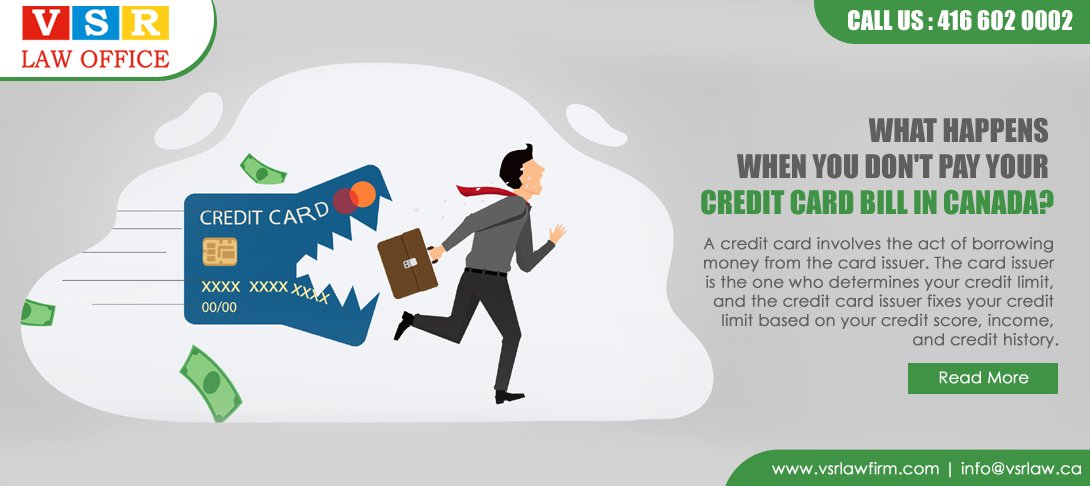
A credit card involves the act of borrowing money from the card issuer. The card issuer is the one who determines your credit limit, and the credit card issuer fixes your credit limit based on your credit score, income, and credit history.
Also Read: Top Skills of a Real Estate Lawyer
Importance of Paying Off Credit Card Debt:
It is highly essential to pay off the debt on time, and this is because it influences the amount of interest you pay over time. It becomes crucial to pay off the debt in case of using a card with high interest.
Paying off credit card debt on time reduces the interest you pay while making new purchases.
Hence, it minimizes the interest you have to pay.
Another benefit of paying off credit card debts on time is that it helps improve your credit score.
Your credit score is calculated using various factors such as your credit utilization ratio, your payment history, etc.; improving your credit score helps you to get qualified for better interest rates and mortgages.
Also Read: What Evidence Do You Need for a Dog Bite Claim in Brampton?
Credit Card Defaulters:
Credit card defaulters is a term used to refer the users who fail to pay their interest on time.
What Happens When You Don’t Pay Your Credit Card in Canada?
You have to face several consequences when you fail to pay your credit card bill. Paying late fees is one of the consequences, and it also increases the interest you have to pay. Another significant consequence of not paying it is that it causes damage to your credit score.
First of all, having an excessive amount of card debt adds to your stress to a greater extent.
You become dependent on your card when you struggle to make ends meet. In such a situation, your immediate expenses are covered.
It is important to remember that you have to repay the purchases you put on your cards.
Let’s look into steps you can take to come out of your debts which are discussed below.
Also Read: Top 5 Mistakes That Can Hurt Your Personal Injury Claim in Ontario
Debt Consolidation Loan in Canada:
One of the widely-used options to pay off debt is getting a loan. To pay off your debt, you can borrow money as a loan.
It is known as the debt consolidation loan.
You tend to pay off your card debts with the money you get from the new loan. Then, new payments are made only on that new loan.
Debt Consolidation in Kitchener:
In Kitchener, Canada, you can get various debt consolidation services, debt relief services, credit counseling services, etc. They are known for providing various debt solutions to thousands of Canadians.
Bankruptcy Lawyer:
A bankruptcy lawyer is someone who is specialized in providing legal advice regarding bankruptcy. He\she should have a law degree, and they should be licensed in the state where they tend to give advice and carry out their business activities.
There are several bankruptcy lawyers in Kitchener, Ontario, and various places in Canada.
Thus, these debt consolidation services and bankruptcy and insolvency lawyers help Canadians to get out of their debts. And so, they help Canadians to live a debt-free life.
Also Read: 10 Common Property Scams a Real Estate Lawyer Can Help You Avoid
FAQs:
1. What happens if I miss a credit card payment in Canada?
If you miss a payment, you may be charged interest and your account may become past due. Missing the minimum payment may also affect your credit score, increase your interest rate, or cause you to lose a promotional interest rate.
2. Will one missed credit card payment hurt my credit score?
It can. Your payment history is an important part of your credit score. Repeated late or missed payments can have a bigger negative effect and may make it harder to borrow money in the future.
3. What happens if I stop paying my credit card completely?
The amount you owe may continue to grow because of interest. Your credit card company may also cancel or restrict your card and eventually send or sell the debt to a collection agency.
4. Can my credit card debt be sent to collections?
Yes. If your account remains unpaid, the credit card company may use its own collection department, hire a collection agency, or sell the debt to a collection agency.
Also Read: How Long Can a Temporary Foreign Worker Stay in Canada?
5. How long does unpaid credit card debt stay on my credit report?
Negative information about late or unpaid credit cards may generally remain on your Canadian credit report for up to six years. The exact reporting period can depend on the credit bureau and the type of information.
6. Can a credit card company sue me for unpaid debt?
Potentially, yes. A creditor or debt owner may take legal action to recover unpaid debt. The rules, deadlines and collection procedures can vary by province or territory. If you receive a court claim, do not ignore it.
7. Can my wages be garnished because of credit card debt?
In some situations, a creditor may be able to seek enforcement against you after obtaining a court judgment. Wage garnishment rules and exemptions vary across Canada, so you should get legal advice about the rules in your province.
Also Read: Bankruptcy vs. Insolvency: What’s the Real Difference?
8. Can a collection agency keep calling me?
Collection agencies are allowed to contact you about a valid debt, but there are rules about how they can communicate with you. Your rights may depend on whether the debt is being collected by a federally regulated financial institution or under provincial or territorial collection laws.
9. What should I do if I cannot afford my credit card payments?
Contact your credit card company as soon as possible. You may be able to discuss a payment arrangement or another solution. If the debt has already gone to collections, you may also try to arrange affordable monthly payments.
10. Can I rebuild my credit after unpaid credit card debt?
Yes. Rebuilding credit can take time, but it is possible. Paying bills on time, making at least the minimum payments, reducing outstanding debt and using credit responsibly can help improve your credit history over time.
Need Help With Credit Card Debt?
Ignoring credit card debt can make the situation more difficult. If you are struggling with payments, collections or legal action, consider speaking with a qualified professional to understand your options.
This information is for general educational purposes only and is not legal or financial advice. Debt collection and enforcement laws can vary by province and territory in Canada.
Also Read: How long does it take to get a PR Card?